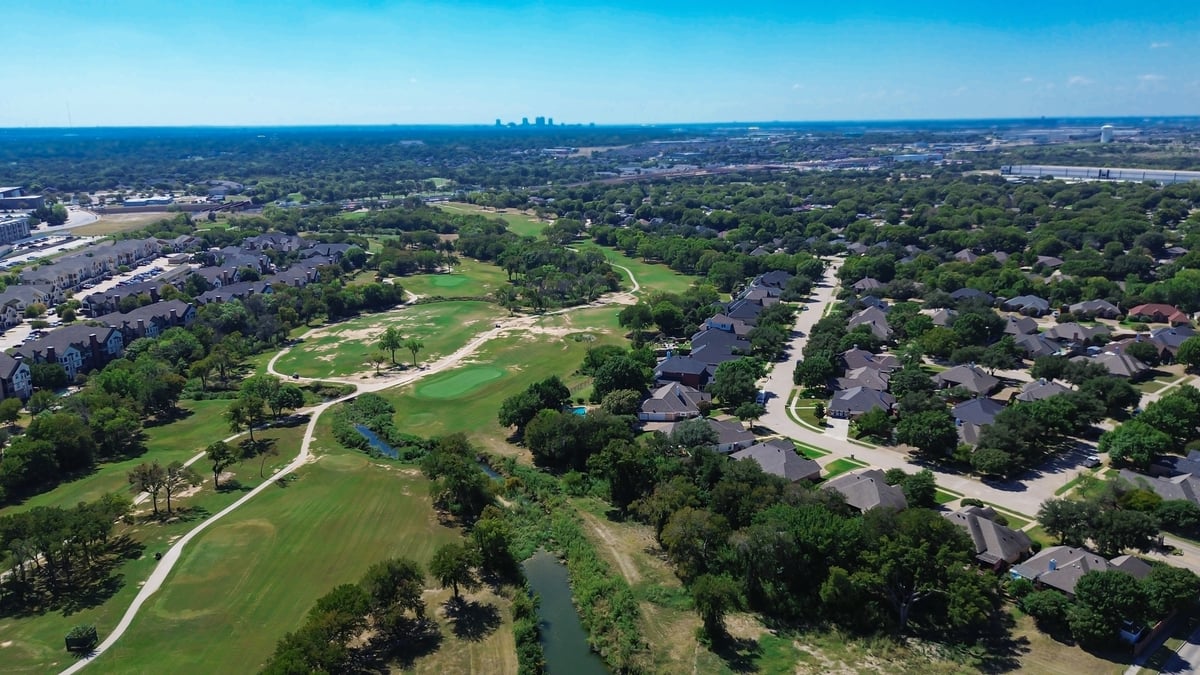

Spring in North Richland Hills feels inviting, but tree pollen and wind can worsen allergies for seniors, causing itchy eyes, sinus pressure, coughing, and fatigue. So, when do spring allergies start? They usually begin around March and peak in April.
Spring in North Richland Hills, TX, is an exciting time. Residents in senior living communities and beyond will experience warm mornings, parks in bloom, and overall more reasons to go outside. However, the North Richland Hills pollen season for seniors may also bring sinus pressure, itchy eyes, and other allergy symptoms.
In North Texas, pollen is present throughout the year, but according to a long-term survey by Crisp and Richards in The Journal of Allergy and Clinical Immunology, higher daily temperatures and higher average wind speeds are associated with higher concentrations. This combination can explain why allergies ramp up so quickly in North Richland Hills for seniors.
Through timing and planning, seniors can alleviate spring allergy symptoms and enjoy the return of the warmer season.
When Do Spring Allergies Start?
In North Richland Hills, spring allergy symptoms usually begin around late February or early March when trees start releasing pollen. The worst month varies depending on factors like temperature and wind direction, but generally speaking, March and April are the most challenging months due to consistently high tree pollen levels.
During warm, dry stretches, windy conditions circulate pollen across North Texas neighborhoods, causing intense symptoms even for those not near a blooming tree or grass. During these difficult weeks, seniors susceptible to allergies often experience the following symptoms:
- Stuffy eyes, itchy or watery eyes
- Scratchy throat with coughing
- Heavy sinus pressure accompanied by a headache
- Fatigue that makes activity more challenging than usual
Allergy symptoms can often be mistaken for a cold, but you can usually differentiate them because allergy symptoms are often itchier around the eyes and nose than a typical cold virus.
Tarrant County Allergy Planning for Retirees
Allergies can be uncomfortable at any age, but for seniors, they can particularly hit hard, seeing as how nasal congestion and throat irritation make it difficult to sleep. This increases fatigue throughout the day and makes it harder to stay physically and socially active, which can have serious health consequences.
For seniors who have breathing issues like asthma or chronic bronchitis, allergies can make the symptoms feel much worse and more persistent. Given that North Texas has overlapping pollen patterns from types of pollen like debris, pollen, and spring grass pollen, there can be many months where allergy symptoms interfere with everyday life.
A practical approach for affected seniors is to focus on exposure control. The following guidelines will help seniors sleep and breathe better:
- Use HVAC filters that are changed on schedule.
- Wipe down surfaces and vacuum frequently during heavy pollen periods.
- Shower and change clothes after outdoor time to remove pollen.
- Keep an eye on indoor humidity so the air doesn't feel overly dry or irritating.
Remember that the wind can shift pollen around quickly, so it's worth checking a local pollen report before you head out. While rain can temporarily knock the pollen levels down, remember the count tends to rebound once the ground dries and the wind returns.
Seasonal Allergy Awareness for Seniors in TX
Here are a few outdoor timing tips NRH seniors often find useful:
- Plan outdoor activity earlier in the day when possible.
- On windy, dry days, shorten outdoor time and prioritize indoor plans.
- Wear sunglasses outdoors to reduce eye exposure.
- Consider a well-fitting face covering on heavy pollen days if it helps your symptoms.
Following these tips should help to minimize spring respiratory concerns for older adults in Texas.
Frequently Asked Questions
What Is the Most Common Allergy Trigger in the Spring?
There's no one type of pollen in North Texas that causes allergies, but often people are more sensitive to a specific type.
Tree pollen is one of the most common spring triggers. National allergy guidance describes spring as a major tree-pollen season in many parts of the U.S., with trees typically leading the allergy calendar before grasses and weeds later in the year.
What Time of Day Is Pollen Usually Highest?
It depends on local conditions, but evidence from real-time pollen monitoring summarized by ACAAI found pollen levels were lower from 4:00 a.m. to noon and higher from about 2:00 p.m. to 9:00 p.m.
If your symptoms flare late afternoon or early evening, this could be why.
If you're trying to stay active outdoors during peak season, shifting your outdoor time earlier in the day is often a simple change that can significantly reduce exposure.
How Can Seniors Stop Pollen Getting Inside?
Pollen can easily get inside homes, particularly during the peak spring allergy season in North Texas. According to a source, the particles are extremely small and lightweight, allowing them to get in through open windows.
The pollen spores are problematic because they cling to clothing and bedding. Eventually, so much pollen builds up that people sensitive to allergies can continue to experience symptoms even while indoors.
Keep your windows closed during high pollen days, especially in the spring. Doing so will help limit pollen build-up inside your home or independent living apartment. And replace your HVAC or HEPA air filter regularly.
Discover Morada North Richland Hills
Spring in North Richmond Hills brings better weather and the excitement of a new summer season with plenty of outdoor activities. However, it can also bring on allergies brought on by tree pollen.
When do spring allergies start? Symptoms often peak in March and April, but with smart exposure control and timing, seniors can breathe and sleep better while remaining active and healthy.
Here at Morada North Richland Hills, our residents enjoy comprehensive support. We help seniors with allergy symptoms to stay active and engaged, even when things like allergies and mobility get in the way. We're proud of making our independent living accessible to all, which is why we offer a generous discount to qualifying U.S. military veterans.
Contact us today to learn more about our community and set up a day for a tour.